Master the Art of Poker Bluffing with Key Strategies
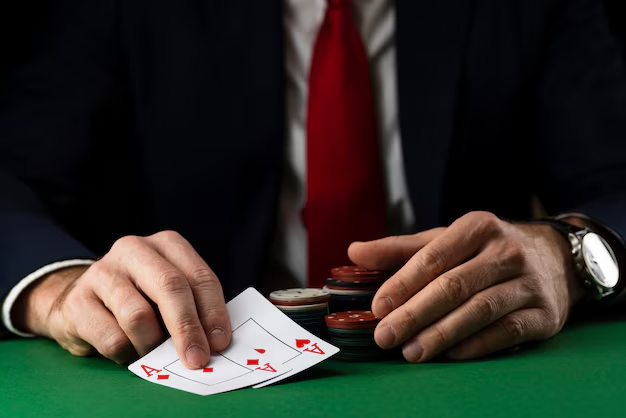
Focus on timing. The right moment can make your bluffing efforts pay off exponentially. Pay attention to your opponents’ behavior; bluff when they seem unsure or disinterested in the pot. Use their hesitation to your advantage. Mastering the art of poker bluffing involves understanding the nuances of timing and psychology. By keenly observing your opponents and their reactions, you can identify the perfect moment to execute a bluff effectively. Establishing a solid table image is equally crucial, as it influences how others perceive your actions and can catch them off guard. Incorporating storytelling into your betting patterns adds depth to your strategy, allowing you to maintain credibility with each decision. To refine your skills further, engage in practice games and learn more about effective bluffing techniques through guides like housebets-online.com.
Know your table image. Establish a reputation that can influence how others perceive your actions. If you've played conservatively, a sudden aggressive move might catch them off guard. Always manage how you are viewed, and leverage that to enhance your bluffing potential.
Practice deception. Alter your betting patterns to confuse opponents. If you typically bet high, try a small raise or a check-raise to suggest weakness. Mix up your strategies frequently to keep others guessing.
Read the board closely. Analyzing the community cards is crucial. Identify potential hands your opponents might hold and adjust your bluff accordingly. A board that complements your perceived range will bolster your confidence and chances of success.
Keep it believable. Your story matters. Make sure your actions align with the narrative you’re creating. If you're portraying strength, maintain that consistency in all your plays to avoid raised eyebrows from keen players.
Practice, practice, practice. Put these strategies into play during practice games or with friends to refine your skills. The more you understand the dynamics, the more naturally bluffing will integrate into your game.
Understanding the Psychology Behind Bluffing
Study your opponents' behavior closely. Players often reveal their feelings through body language and facial expressions. Learn to notice when they are tense, relaxed, or distracted. When you sense hesitation, it may be the perfect opportunity to bluff.
Recognize the power of storytelling. Create a compelling narrative in your betting patterns. By establishing a story during gameplay, you can convince your opponents that your hand is stronger than it actually is. This technique requires clarity and confidence in your strategy.
| Indicators of Confidence |
Signs of Uncertainty |
| Steady posture |
Nervous fidgeting |
| Consistent eye contact |
Avoiding eye contact |
| Crisp, assertive betting |
Hesitant, weak bets |
Mind manipulation plays a significant role in bluffing. Use reverse psychology by betting in a way that encourages your opponents to call you, while actually holding a weaker hand. This technique can catch them off guard and lead to successful bluffs.
Finally, practice patience. Bluffing requires timing and precision. Avoid rushing into decisions; instead, evaluate the dynamics of each hand. Each scenario is unique, and mastering the psychological elements can give you an edge in poker.
Identifying the Right Moments to Bluff
Bluffing works best when opponents show weakness. Pay attention to their betting patterns and body language. If they hesitate before betting or appear uncertain, it's your cue to act confidently.
Timing is key. Late in a hand, after the flop, is often optimal for a bluff. By this point, players have more information, making them more likely to fold to aggression. Utilize this to your advantage by ramping up your bets when the situation feels right.
Target tight players who favor conservative strategies. They tend to fold more frequently when faced with strong actions. Understand your opponents' tendencies; a well-timed bluff against a player who is overly cautious can yield great rewards.
Position also influences your bluffing opportunities. Bluff from late positions where you can observe reactions before making your move. This gives you a clearer insight into your opponents' hands and increases the chances of success.
Consider the board texture. If the community cards are coordinated, players might fear stronger hands, making them more likely to fold. Use this to suggest you have hit a strong hand, even if you haven’t.
Finally, maintain a consistent strategy. If you bluff too often, opponents will catch on. Instead, choose your moments carefully to keep them guessing. Confidence combined with a thoughtful approach makes your bluffs more believable.
Crafting Your Bluff: Signals and Tells
Adopt a neutral posture to avoid giving away your intentions. Keep your hands relaxed and avoid fidgeting. A steady gaze demonstrates confidence, but be cautious; excessive eye contact might seem aggressive. Balance your facial expressions to convey calmness, even if you're bluffing. A slight smile can help relax other players, making them more susceptible to your strategy.
Control your breathing. Rapid breaths may trigger suspicion. Slow, even breaths convey composure. Pay attention to your pacing during the game. Broad, confident gestures can enhance your storytelling but practice moderation; over-exaggeration can raise alarms.
Enhance your bluff through verbal cues. Use a calm, measured tone when you speak; hesitations may signal doubt. If you choose to raise, do so decisively. An uncertain or shaky raise can alert your opponents. Adapt your betting patterns–unpredictability makes it harder for others to pinpoint your actual hand.
Observe your opponents closely. Identify their patterns and establish baseline behaviors to detect deviations. A player who suddenly becomes silent or overly animated may be hiding something. Keep mental notes of how they react under pressure; their discomfort can reveal your best opportunities to bluff.
Incorporate storytelling into your strategy. Weave believable narratives about your hand while playing. Creating a consistent story across multiple rounds builds credibility. When you bluff, ensure the scenario aligns with previous plays to maintain consistency.
Adjust your approach based on the table dynamics. If players are cautious, bold moves might yield more success. Conversely, in a more aggressive setting, subtlety and smaller bluffs may have better outcomes. Always be ready to pivot your strategy based on your read of the situation.
Managing Your Table Image for Better Bluffing
Establish a consistent playing style to shape your image. If you play aggressively, maintain that approach for a while. Conversely, if your style is tight, keep that perception alive until you decide to bluff.
Communicate with your actions. Pay attention to how opponents perceive your betting patterns. Make larger bets when you have strong hands to reinforce your aggressive image, making your bluffs more credible later.
Observe your opponents closely. Adjust your gameplay based on their reactions to your betting style. If they view you as a tight player, your bluffs will carry more weight, as they'll be less likely to call.
Mix up your strategies. Occasionally play hands differently to keep opponents guessing. This unpredictability enhances your table image and makes future bluffs more effective.
Control your emotions. Staying calm and composed while bluffing can give you an edge. If you exhibit nervousness or hesitation, opponents will sense it and exploit your weakness.
Engage in table talk. Light banter can build rapport and distract opponents from focusing intensely on their decisions. A relaxed atmosphere can make your bluffs more believable.
Limit the number of bluffs you attempt. Overdoing it can tarnish your table image. Choose the right moments based on your understanding of the game and your opponents.
Keep track of your table image. Analyze how opponents are viewing your playstyle. Adjust your strategy based on this perception to create stronger bluffing opportunities.
By managing your table image effectively, you create a foundation for successful bluffing. Stay observant, adaptable, and strategic to maximize your performance at the table.
Practicing Bluffing Techniques in Different Game Formats
Focus on adapting bluffing techniques to various poker formats for enhanced success. Each format has its own nuances that impact how bluffs are perceived and executed.
In cash games, prioritize understanding player tendencies. Observe their betting patterns and adjust your bluffs accordingly. Utilize a balanced approach, ensuring that your bluffs are not overly aggressive. This keeps opponents guessing and increases the likelihood of them folding when you do bluff.
Tournaments demand a different strategy. Here, leverage chip stack dynamics. Bluff more frequently during mid-stages, when opponents are cautious about their tournament life. As the bubble approaches, increase the frequency of bluffs to exploit tighter play among rivals who fear elimination.
Consider incorporating different types of bluffs:
- Pure Bluffs: Bet on a hand you do not intend to win at showdown. Use this sparingly to maintain credibility.
- Semi-Bluffs: Bet on a drawing hand that has potential to improve. This provides an actual chance of winning if called.
In home games, leverage your familiarity with opponents to craft personalized bluffs. Use psychological insights gleaned from past play to exploit weaknesses. Experiment with timing and bet sizing to determine what elicits the best reactions.
Online formats require quick adaptability. Utilize features like chat to mislead opponents. Pay attention to timing tells that can indicate strength or weakness. Employ varied bet sizes strategically to mask true hand strength.
Engage in dedicated bluffing practice sessions. Use play money to replicate different scenarios and test your techniques. Review hands post-session to analyze missed opportunities or effective bluffs. This reflection sharpens your skills for real-money play.
Incorporating feedback from peers or a coach during practice aids in refining your approach. Seek constructive criticism and implement suggestions to boost your bluffing effectiveness across formats.
Always keep your strategies fluid. Adapt based on the specific dynamics of each game while maintaining a core understanding of your opponents' behaviors. With practice, your bluffing will become a formidable weapon in your poker arsenal.
Analyzing Opponents and Adapting Your Bluffing Strategy
Observe your opponents closely. Focus on their betting patterns, body language, and reaction times. A player who raises frequently may be more prone to folds, allowing you to apply pressure effectively. Conversely, consistent call behavior might indicate a stronger hand.
Adjust your bluffing based on the opponent. If you notice a player who tends to fold under aggression, ramp up your bluffing frequency against them. Alternatively, if they are more resistant, adapt by bluffing less and playing solid hands instead.
Pay attention to the table dynamics. If your table consists of tight players, bluffing becomes more effective. Mix up your strategy against loose players who are more willing to call. Flexibility is key; staying static in your approach can lead predictable outcomes.
Utilize position to your advantage. Bluff from a late position, especially if you recognize opponents are likely to fold before you act. This sneaky approach can maximize your chances of a successful bluff.
Emotional states also play a significant role. Be aware of your opponents’ moods. If a player seems frustrated or overly cautious, they may be more susceptible to your bluffs. Capitalize on these moments.
Incorporate varying bet sizes when bluffing. A smaller bet might convince some players to call, while a larger bet can induce folds. Experiment with both to determine what works best against individual opponents.
Finally, blend bluffs with strong hands occasionally. By doing this, you maintain a balanced image at the table. Surprise your opponents; if they can't predict your play style, you'll find greater success with your bluffs.
|